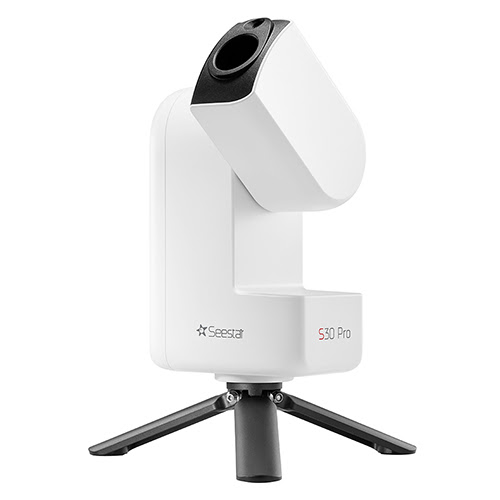
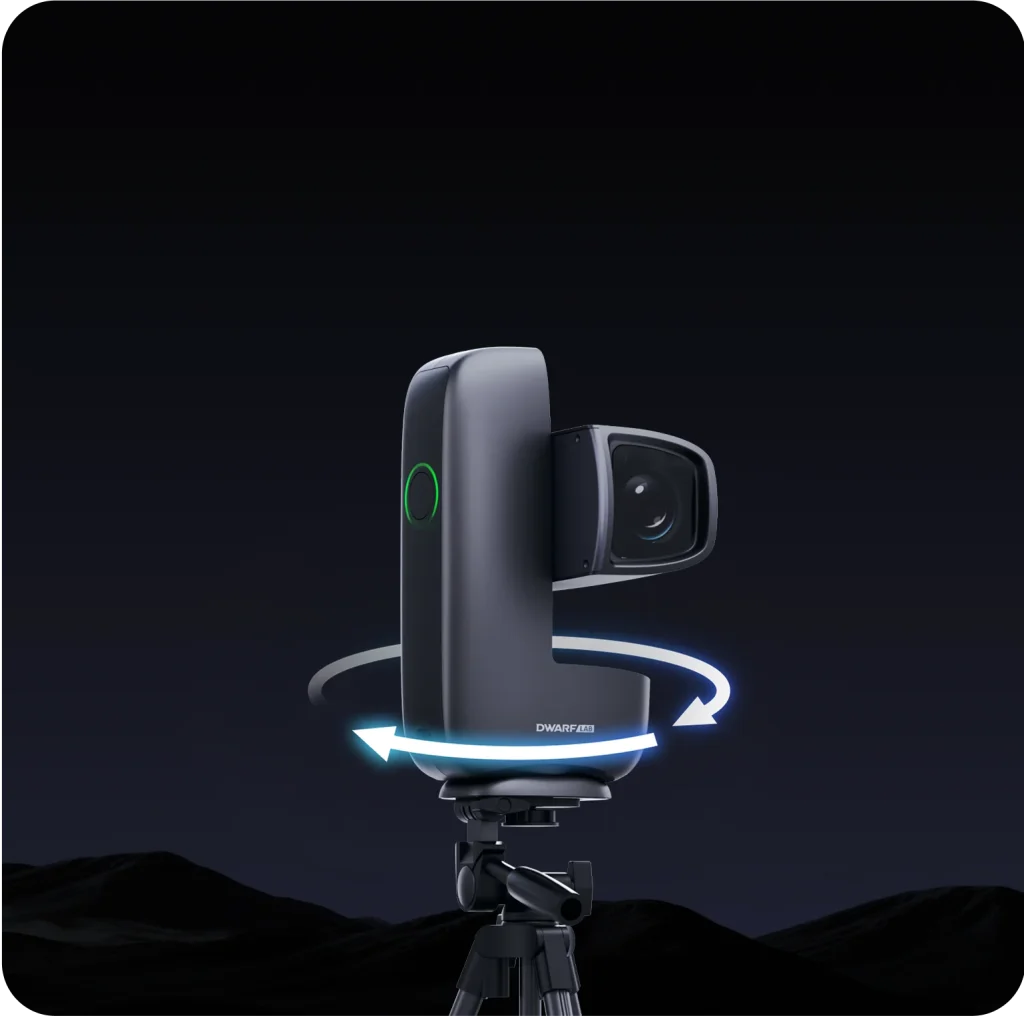
Smart telescopes are not new. Most people interested in astronomy already know they exist. What is new is how quickly they are evolving.
In February I will be putting two of the latest models, the Seestar S30 Pro and the Dwarflab Mini, through their paces from the balcony of my apartment in Gozo. The goal is simple. To see just how far this technology has come, and whether it has now reached the point where high quality deep sky imaging is genuinely accessible to almost anyone.
Only a few years ago, entry into astrophotography meant serious money and serious commitment. A capable mount. A telescope. A cooled camera. Filters. Power systems. Software. A steep learning curve. Thousands of Euros before the first usable image appeared.
Today these new generation smart telescopes are arriving with better optics, improved sensors, more powerful onboard processing, smarter software and vastly simpler workflows. And remarkably, they are doing it while staying within a price range that no longer feels exclusive.
This February I will be testing that progress in a very real environment.
- Not from a dark sky observatory.
- Not from a permanent backyard setup.
- But from a normal apartment balcony on a small Mediterranean island.
Over the coming weeks I will share what these instruments actually deliver. How easy they are to use. What the image quality looks like. Where the limitations remain. And whether they truly represent the tipping point where deep sky astrophotography becomes something that anyone with curiosity and a clear view of the sky can enjoy.
Smart telescopes are growing up.
The question is whether they are finally ready to change the landscape of astronomy for good.