A rare opportunity to witness one of nature’s most extraordinary events.
📍 Location
Seville & Cádiz
📅 Dates
30 July – 3 Aug 2027
👥 Group Size
Maximum 6
🌑 Event
Total Solar Eclipse
Europe has not experienced a total solar eclipse on the mainland since 1999. In a rare astronomical coincidence, two total eclipses will cross Spain in consecutive years — 2026 and 2027. The 2 August 2027 eclipse is especially remarkable, with totality lasting over six minutes in parts of southern Spain, making it one of the longest total solar eclipses visible from land during the 21st century.
On 2 August 2027, one of nature’s most extraordinary spectacles will unfold across southern Spain. As the Moon passes directly in front of the Sun, daylight will fade and the Sun’s delicate corona will appear in the daytime sky during several minutes of totality.
For a brief moment the world changes — temperatures drop, birds fall silent, and the sky darkens as if twilight has arrived in the middle of the day.
I am planning a small, carefully curated eclipse journey to experience this event from one of the most favourable locations on Earth.
Small expedition group
This will be a deliberately small group, limited to a maximum of six participants. Keeping numbers low provides flexibility when responding to weather conditions and allows for a more personal and shared experience of the eclipse.
For many people, witnessing a total solar eclipse is a once-in-a-lifetime experience. If this is something you have dreamed of seeing, this expedition offers an opportunity to experience it from one of the most favourable locations along the path of totality.
Interest in this expedition has already begun, with two people currently registered for early updates.
Places will be extremely limited, with a maximum of six participants.
Final expedition details will be released before the end of the year once flight and accommodation arrangements are confirmed.
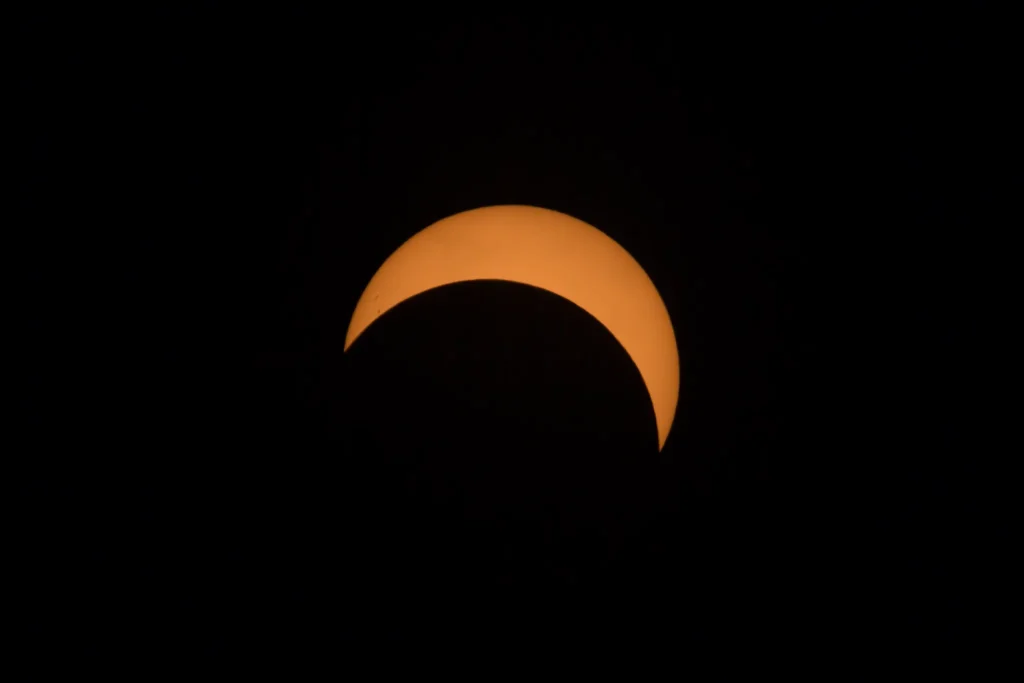
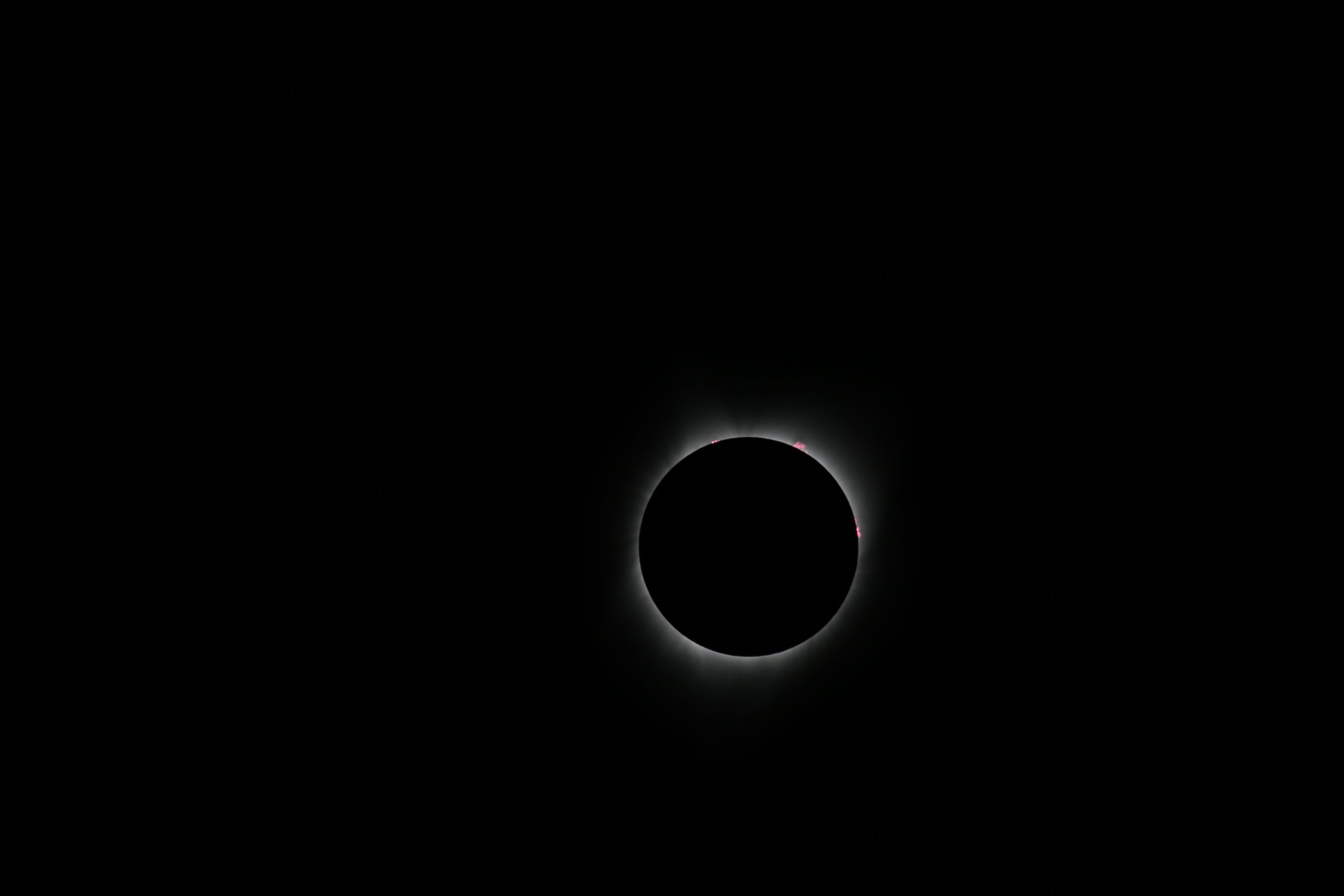
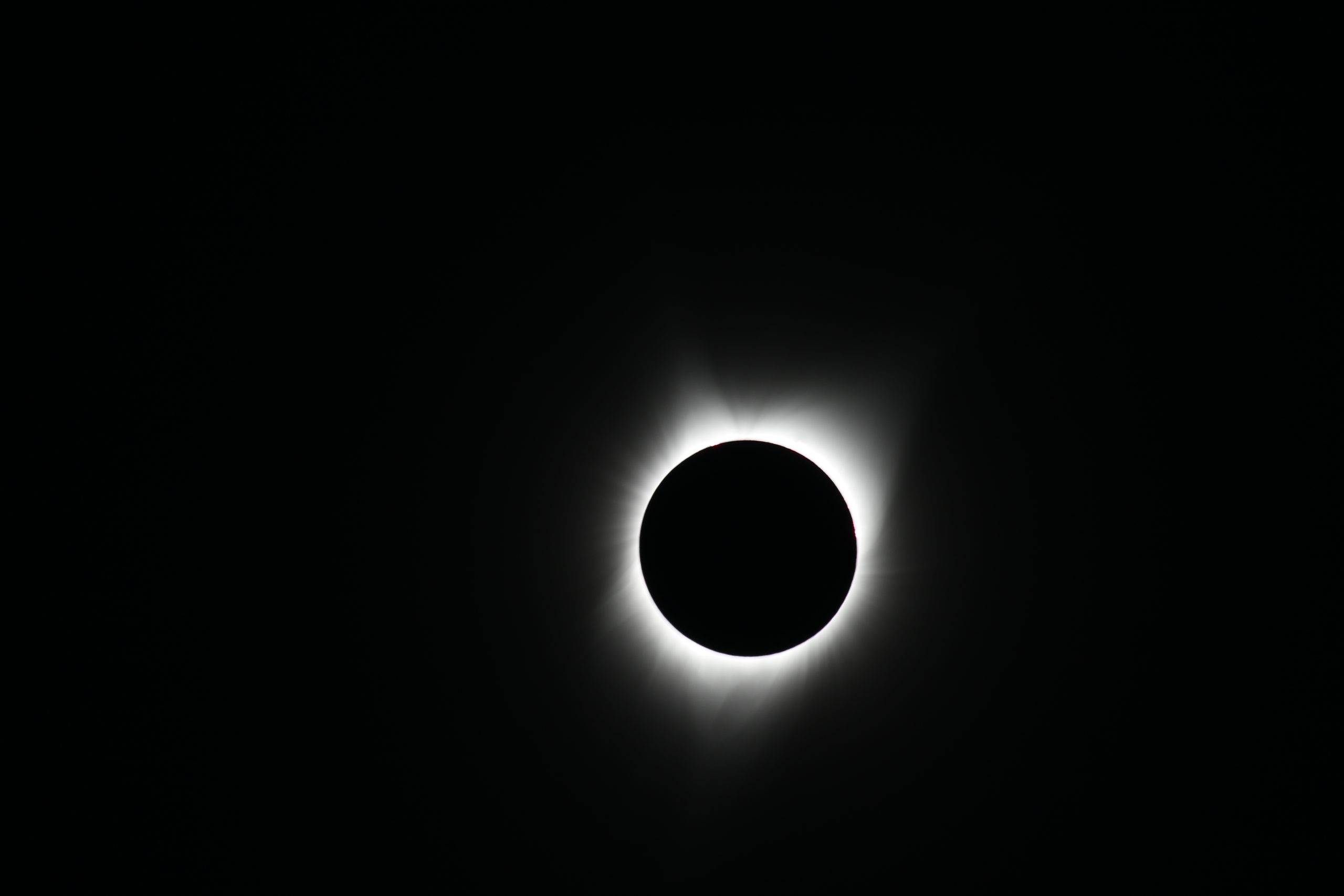
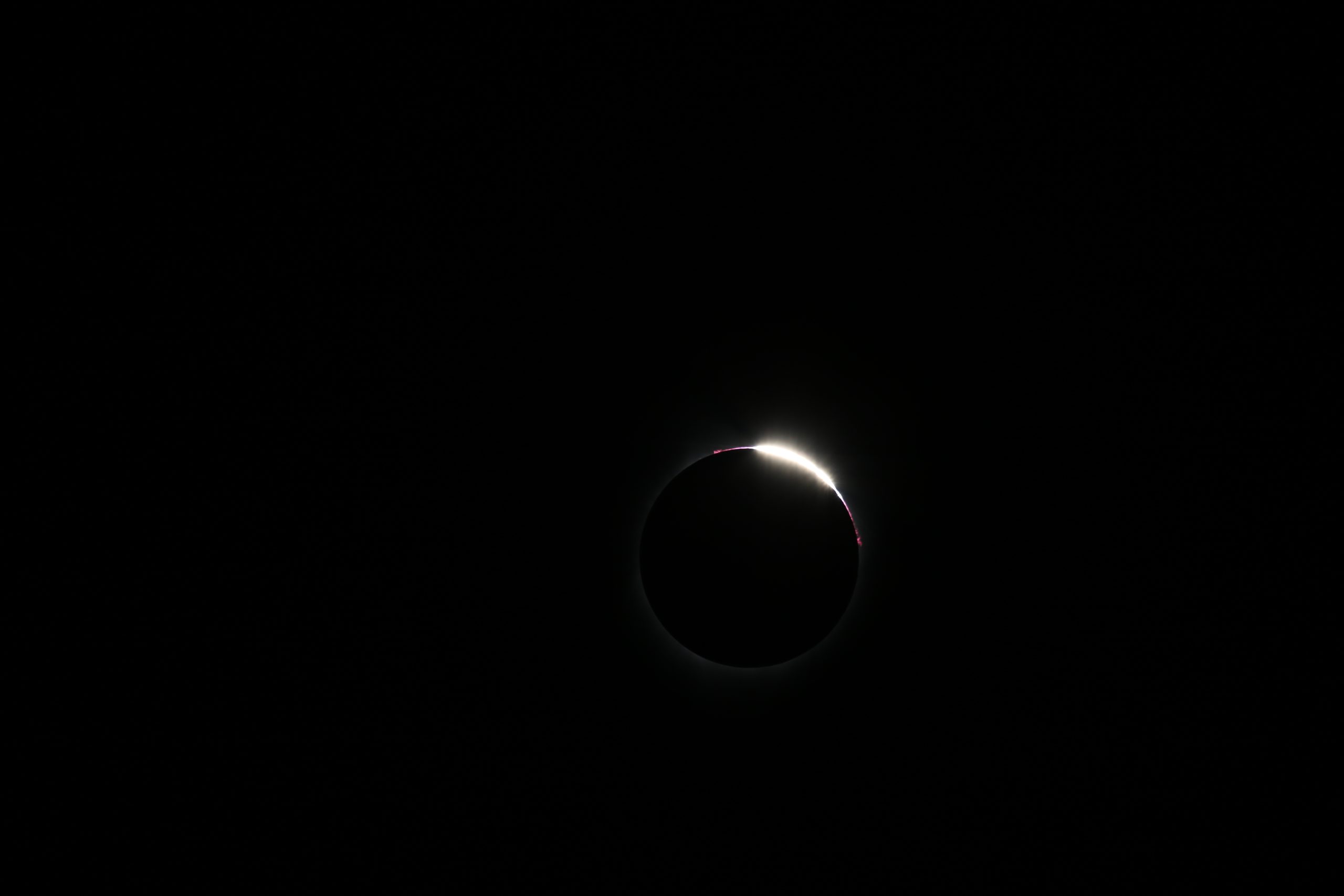
All of the images in this gallery were taken by my friend and fellow astrophotographer Mark Gray during the 21 August 2017 Total Solar Eclipse near Mitchell, Oregon — one of the first locations in the United States to experience totality as the Moon’s shadow crossed the continent.
One of the photographs was captured at 10:21 PDT using a Canon EOS 7D Mark II paired with a Canon EF 100–400mm lens at 400mm with an exposure of 1/20s, f/8, ISO 100.
To safely photograph the Sun, Mark used a DHG ND-100000 solar filter constructed from Schott B270i optical glass. The filter reduces sunlight by a factor of 100,000 (16⅔ stops, optical density 5.0) and complies with the ISO 12312-2 international safety standard for solar observation.
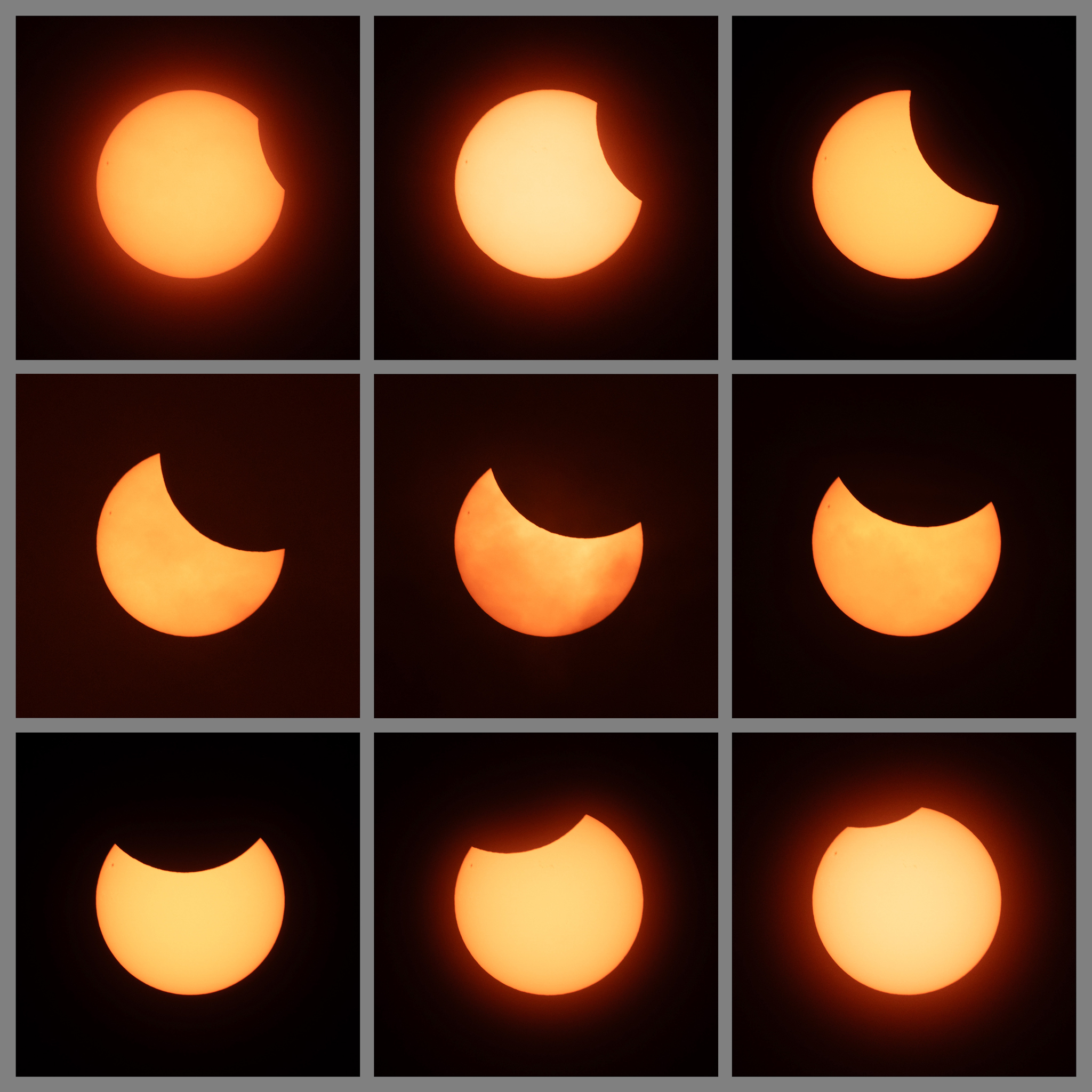
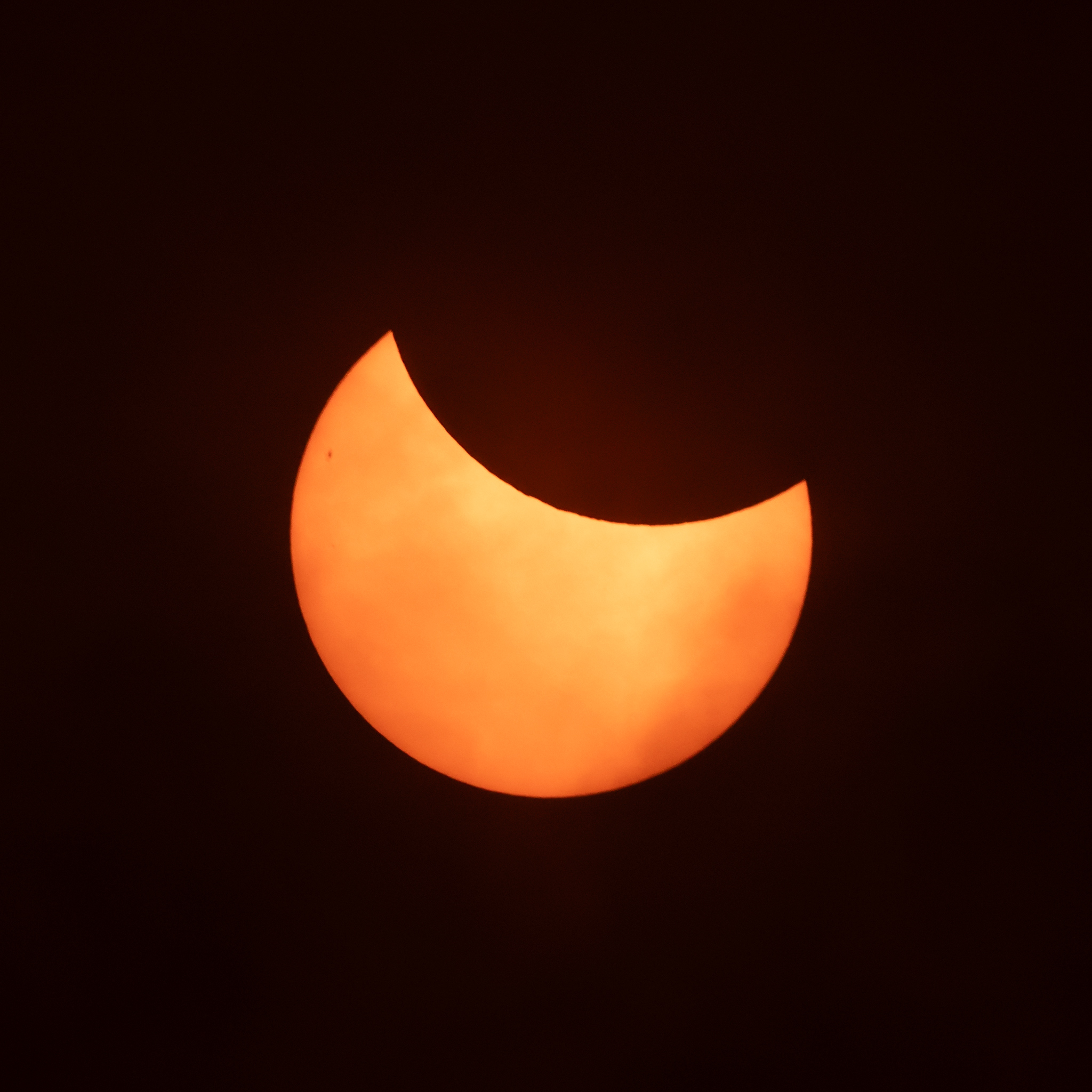
These photographs show the partial solar eclipse of 29 March 2025, captured from Nottinghamshire, United Kingdom at approximately 11:04, when around 40% of the Sun was obscured by the Moon.
A large sunspot group is visible on the left-hand side of the Sun, and thin cloud briefly passed across the Sun shortly before maximum eclipse.
Equipment used: DayStar White Light ULF filter with Thousand Oaks Density 5 Solarlite film, Sharpstar 61EDPH II telescope, Sony A6500 crop frame camera (1/400s, ISO 1000), and Benro Polaris Electric Tripod Head — Astro Edition.
Register your interest to receive early access to the full expedition details.
Those on the early update list will be the first to know when places become available.
To help plan the expedition and understand potential group sizes, please provide a little information when registering your interest below.
Please note: Places will be confirmed in order of enquiry once the full expedition programme is released.